Specification intake
Array voltage, AC service, battery plan, grid code, export limit, and metering concept are captured before equipment is proposed.
Fronius is presented here as a renewable energy equipment partner for buyers who need technical clarity before they commit to a solar inverter, hybrid storage interface, EV charging project, or monitoring architecture. The brand voice is precise and institutional: every claim should be supported by ratings, standards, operating conditions, and project context. That matters because inverter procurement is rarely a simple catalog exercise. EPC teams must align PV string design with MPPT windows, utility requirements with grid profiles, battery behavior with BMS communication, and asset-owner expectations with monitoring permissions. Fronius content therefore emphasizes a documented engineering process rather than broad promises. It is built for professional readers who compare datasheets, installation guides, warranty terms, and service procedures before they approve equipment.
The next stage of renewable deployment will require more than efficient conversion hardware. Distributed PV, storage, EV charging, and flexible load control must operate as coordinated electrical infrastructure. Fronius positions its work around transparent performance data, region-aware compliance, and serviceable equipment that installers can maintain over long periods. The roadmap focuses on higher monitoring granularity, safer battery integration, improved fleet diagnostics, and clearer documentation for mixed residential and commercial portfolios.
This approach does not rely on absolute sustainability claims or unrealistic payback guarantees. Instead, it treats energy transition work as an engineering discipline: measure the site, model the electrical constraints, specify the correct equipment, commission it carefully, and retain the documentation needed for service events. Buyers receive practical evidence they can use in procurement files, permit responses, and owner handover packs.
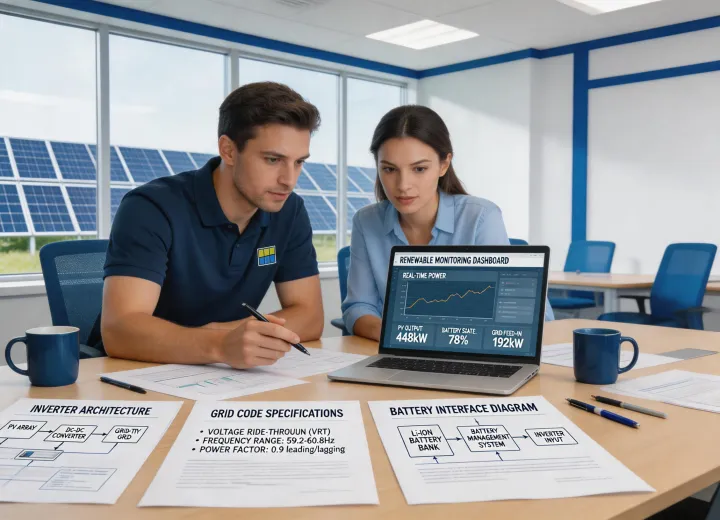
Array voltage, AC service, battery plan, grid code, export limit, and metering concept are captured before equipment is proposed.
Firmware version, smart meter placement, grid profile, portal role, and alarm settings are recorded for the installer and owner.
O&M teams use yield curves, fault codes, remote firmware policy, and service history to prioritize site visits and warranty actions.
Recurring issues are converted into clearer application notes, accessory guidance, and training content for future deployments.
Share the planned application and required standards so the next conversation starts with facts instead of assumptions.
Contact Engineering